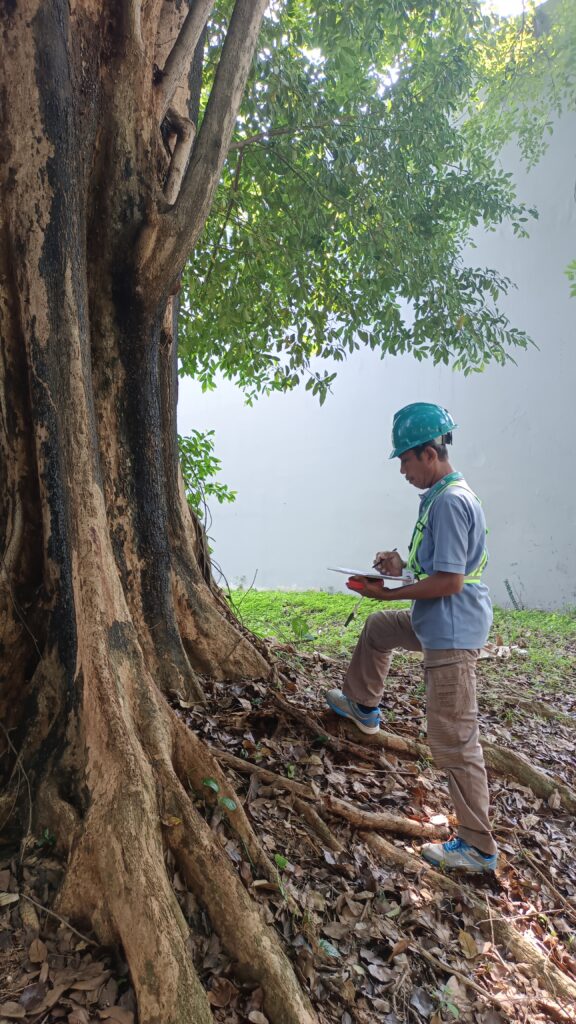
Tree health assessments are critical to preserving safe and vibrant urban environments. In cities, trees live under stressful conditions such as limited root space and air pollution, which can lead to hidden structural weaknesses. By conducting regular evaluations, we can determine the true biological health of trees and identify potential hazards before they cause harm. This proactive approach ensures that the benefits of urban greening, such as shade and cleaner air, do not compromise public safety, effectively minimizing the risk of falling limbs or trees during storms.
The first step in the process is a Visual Tree Assessment (VTA). This method relies on an arborist’s trained eye to spot external warning signs. Following the International Society of Arboriculture Basic Form, experts conduct a comprehensive 360-degree inspection, examining the crown, trunk, and root base for more subtle biological signs such as fungal fruiting bodies, oozing wounds, or cracks. This method prioritizes human safety and property protection by categorizing defects into risk levels, enabling informed decisions about whether the tree requires pruning, tying, or removal.
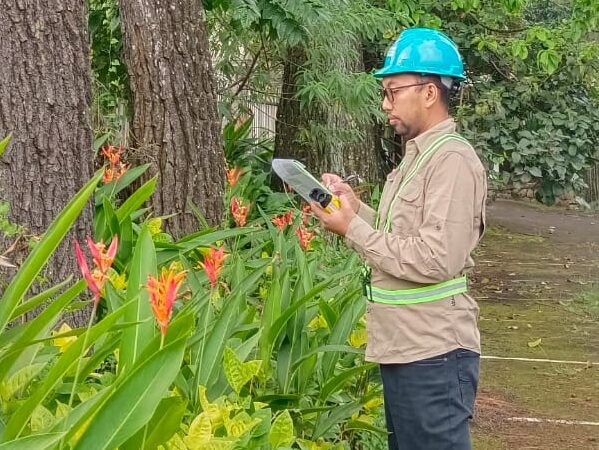
The second method is a tree health assessment based on forest health monitoring (FHM). The goal of this method is to determine the health level of individual trees only. FHM integrates data on canopy transparency and crown mortality to assess the resilience of a forest population rather than the potential failure of a single tree.

When a visual inspection indicates problems but cannot determine the extent of internal damage, tree experts use advanced technology to assess it. Tools such as sonic tomography (Tree USG) allow experts to see inside a tree trunk without damaging it. By sending sound waves through the wood, this technology creates a color-coded map of the tree’s interior, revealing hidden decay, cavities, or dense wood. These high-tech scans provide the objective data needed to make difficult decisions, such as whether a historic tree can be saved through treatment or should be removed to protect people walking beneath it.